Why Synthetic Roof Coverings Excel in Harsh Midwestern Weather Condition Conditions
Anyone that has invested a few years possessing a home in the Midwest finds out the exact same lesson by hand: roof covering materials are judged less by how they look on a bright mid-day and more by exactly how they do in late January, during a springtime hailstorm, or after a week of freeze-thaw cycles. The roof over a Midwestern home needs to manage warm, subzero cold, ice, wind, sleet, hefty rain, and abrupt weather swings that would be uncommon in lots of other areas. That combination reveals the strengths and weaknesses of every roof in a hurry.
This is where synthetic roofing systems have carved out a major credibility. Not due to the fact that they are fashionable, and not since they promise some miracle treatment for every single roof covering problem, but since the product science behind them lines up uncommonly well with the environment demands of states like Illinois, Indiana, Wisconsin, Michigan, Iowa, and Missouri. In my experience, home owners commonly start the conversation concentrated on look, particularly if they appreciate cedar shake, slate, or various other premium profiles. By the time the conversation is over, they are typically paying equal focus to impact resistance, weight, securing methods, maintenance assumptions, and how the roofing will act after ten Midwest winters.
Synthetic roof has developed well past the uniqueness phase. Today's architectural artificial roofing products are crafted to imitate all-natural materials while remedying a number of the vulnerabilities that have actually traditionally made those materials tough to possess in serious environments. For property owners thinking about a lasting financial investment, specifically those evaluating artificial roof substitute choices versus asphalt, cedar, or all-natural slate, the conversation deserves a close, useful look.
The Midwest is uniquely difficult on roofs
Some environments are predictable. The Midwest is not. A roof covering right here might cook under summer sunlight at temperatures warm enough to soften low-grade materials, then encounter abrupt thunderstorms with wind-driven rainfall. In winter months, that very same roof may hold wandering snow, develop ice along eaves, and cycle with duplicated freezing and thawing. Spring frequently brings hailstorm, and fall can bring temperature swings large enough to stress and anxiety seals, flashings, and fasteners.
Those fast transitions matter. Roof materials increase and contract. When that movement is extreme, or when a product comes to be weak in the chilly, small weaknesses begin to show up at ridges, valleys, around penetrations, and along sides where wind stress is strongest. House owners do not always see the earliest indications from the ground. What they see later is a discolor on a ceiling, raised tabs, missing items after a tornado, or a fixing estimate that arrives years quicker than expected.
That's one reason artificial roofing systems have actually gotten grip in places like Chicagoland. They are not immune to bad installment or bad ventilation, due to the fact that no roofing system is, however high quality artificial items are constructed to tolerate a broader variety of ecological anxiety than many standard products. In an environment that regularly tests every element on the roof covering setting up, that resistance matters.
Material engineering, not advertising, clarifies the appeal
A lot of the worth in premium artificial roof boils down to what it is made from and exactly how it is made. The specific formula varies by brand, however many synthetic roof covering roof shingles are produced from crafted polymers, recycled composites, virgin resins, or blends made to deliver adaptability, resilience, and impact resistance without the frailty related to natural slate or the upkeep problem of wood.
That versatility is a major benefit in winter. All-natural materials can split when struck by hail storm or when worried throughout a deep freeze. Lower-end products may come to be weak enough that straightforward roofing system web traffic from a service professional can create damage in winter. Good artificial products have a tendency to continue to be even more steady across larger temperature ranges. They can take in force much better, recuperate more effectively from effect, and resist splitting in manner ins which matter in the field, not simply in product brochures.
Weight is an additional sensible aspect. Traditional slate is beautiful, however it is heavy sufficient that architectural ability enters into the conversation. Some homes can sustain it. Others require reinforcement, which changes the budget plan quickly. Artificial alternatives supply the look of slate or shake without adding that same structural problem. For several house owners, particularly those preparing an artificial roof replacement on an existing home, that can simplify the task substantially.
Hail resistance is where artificial roof coverings often different themselves
If you have actually ever walked a community after a Midwest hail storm occasion, the pattern ends up being evident. You will see bruised asphalt, split floor tile, dented metal accessories, and insurance policy adjusters relocating from house to house. Hailstorm is just one of one of the most costly types of roof damage in the area, not salvoarchitecturalroofingcontractors.com only due to the fact that it creates immediate influence damages, yet since it shortens the life span of products that survive the first storm.
Many costs artificial roof covering items are created with impact resistance as a core selling point. That matters due to the fact that hail efficiency is not nearly whether a roof leaks the next day. It is likewise concerning whether the material has been compromised in a manner that will bring about premature failing 2 or three periods later. A roofing can look appropriate from the street and still have cracks, granule loss, or surprise damages that speeds up aging.
On higher-end homes, particularly those utilizing artificial roof for luxury homes, owners are typically attempting to secure both efficiency and appearance. Natural slate can chip. Cedar can split. Some synthetic options take care of impact with less visible damage while maintaining the designated look of the roof plane. That is a purposeful benefit in communities where visual charm lugs genuine value.
I have seen situations where house owners initially disregarded synthetic items since they thought "composite" implied lightweight in a negative feeling, almost disposable. After that they managed full-size samples and saw testing information on influence performance, fire scores, and wind resistance. The understanding changed swiftly. A good artificial roof ought to not feel flimsy. It should feel engineered.
Freeze-thaw resilience makes a silent but crucial difference
Hail gets attention because it is remarkable. Freeze-thaw damage is quieter, slower, and just as expensive gradually. Water locates its method into tiny openings, ices up, broadens, and widens those openings. Repeat that cycle commonly enough and the roof covering assembly starts to wear away around vulnerable points. This is one factor the Midwest is so unforgiving to materials that absorb dampness or end up being breakable in the cold.
Synthetic roofs perform well below partially because many of them withstand dampness absorption much better than all-natural materials. Wood can hold dampness. Some mineral-based materials are vulnerable to fracturing when water breach and freezing combine. Engineered synthetics, by comparison, are commonly much less porous and less likely to experience the very same internal breakdown.
That does not remove the demand for appropriate underlayment, ice and water shield, air flow, and flashing detail. It merely suggests the visible roofing product is less likely to end up being the weak link. For a domestic artificial roofing task, that can translate right into less frustrations in late winter months when ice dams, snow buildup, and attic room warm loss beginning subjecting every blunder below the surface.
Wind performance matters greater than many house owners realize
Midwestern tornados are rarely gentle. Straight-line winds can be brutal, and even regular storm fronts can produce gusts strong enough to exploit tiny installment errors. When the edge of a roof covering system starts to fall short, the trouble can spread rapidly. That is why fastening patterns, starter training courses, ridge detailing, and perimeter metal issue so much.
Quality artificial roofing systems are often evaluated for high wind efficiency, and several products are manufactured with interlocking or safe and secure attaching styles that aid them keep in unfavorable conditions. This is not only an item tale. It is a setup story. A roofing system is just as reliable as the staff that installs it. Even premium materials can underperform when the installer disregards maker requirements or cuts edges on deck preparation.
That is why home owners trying to find synthetic roof covering Chicago services or a synthetic roofer Chicagoland should pay very close attention to installer experience. A synthetic roof covering firm that mainly mounts standard asphalt and only occasionally works with specialty composites may not approach describing with the same precision as a team that frequently handles architectural artificial roofing. The distinction turns up where it matters most, around valleys, smokeshafts, skylights, hips, ridges, and shifts in between roof planes.
Appearance belongs to the formula, especially in well established neighborhoods
The performance situation for synthetic roof coverings is solid, yet appearances still drive several purchase decisions, specifically in older suburban areas, custom-home neighborhoods, and architecturally unique neighborhoods. Homeowners want a roof that fits the design of the property. In places with historical impact or high style criteria, fundamental three-tab or even basic dimensional asphalt can watch out of place.
This is where architectural artificial roof covering has become especially engaging. The most effective items do not merely imitate slate or cedar from a range. They recreate texture, shadow lines, variant in thickness, and color depth in a manner that reviews as willful and improved. On a steep-slope home with noticeable rooflines, that visual influence can be substantial.
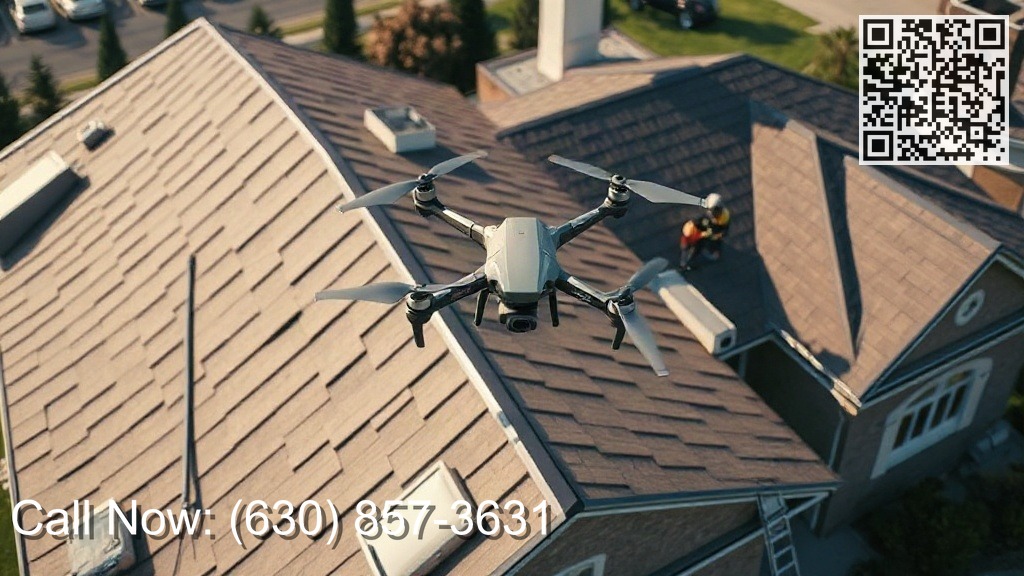
For home owners seeking artificial roofing Naperville IL or similar high end country markets, the aesthetic versatility is usually a deciding aspect. A number of these homes are big sufficient that the roofing system is a major architectural function, not a history surface. Synthetic items permit owners to seek a slate or tremble visual without tackling the architectural, maintenance, or weather-related drawbacks that natural products can generate this climate.
Lighter weight assists in both old homes and personalized homes
A common mistaken belief is that weight constantly equates to high quality. In roofing, that is only partially real. Heavier products may really feel substantial, however they also position a lot more need on the structure listed below. That can complicate both brand-new building and construction and retrofit projects.
With artificial roofings, lighter weight often becomes a functional advantage. On older homes, it might allow the proprietor to accomplish a costs appearance without strengthening framing. On newer customized homes, it can provide even more design flexibility while reducing architectural tons. On facility rooflines with turrets, dormers, flared eaves, or steep pitches, lighter material can also make managing and installation safer and even more efficient.
There is an additional real-world benefit. Roof covering crews dealing with lighter synthetic materials can usually relocate extra specifically and with much less damage during synthetic roof installment. Natural slate and floor tile can crack throughout handling. Wood can split or vary in top quality from piece to piece. Synthetic products are typically extra constant, which aids experienced artificial roofing installers keep appearance and alignment across big roof areas.
Maintenance has a tendency to be extra manageable
No roofing is maintenance-free, and anyone encouraging that needs to be treated with caution. Branch abrasion, stopped up gutters, inadequately vented attics, stopped working sealants, and tornado damages can influence any kind of material. However, synthetic roofing typically lowers the regular upkeep concern compared to cedar shake and a few other typical products.
Wood roofing systems, for instance, commonly require ongoing surveillance for wetness retention, mold and mildew, mold, insect task, and splitting. All-natural slate can last a long period of time, but repair work can be specialized and expensive, particularly when matching materials or functioning around vulnerable floor tiles. Asphalt is simpler, but it can shed granules, curl, or age unevenly under serious weather stress.
A properly installed household artificial roofing system commonly lands in a beneficial happy medium. It can provide a high end appearance with much less constant fixing need, fewer issues concerning rot or insect damage, and far better durability after normal weather events. That does not imply owners can ignore inspections. It indicates the roofing system is much less most likely to punish forget immediately.
Installation top quality makes a decision whether the product meets its promise
If there is one point I would worry to any type of house owner, it is this: the product is only half the job. The installer identifies the rest.
A qualified synthetic roofing contractor comprehends that specialized products call for greater than common roofing habits. Deck condition have to be assessed honestly. Underlayment option has to match environment needs. Blinking details should be updated where required, not recycled because it saves time. Infiltrations require mindful treatment. Ventilation has to be attended to, especially in homes with a history of ice damming or unequal attic room temperatures.
When property owners interview a synthetic roof firm, they need to ask specific concerns concerning previous projects, crew training, supplier knowledge, and just how the business takes care of transitions and accessory details. A solid service provider will certainly answer concretely, not slightly. They will certainly discuss consumption and exhaust air flow, ice obstacle positioning, securing methods, and why certain information issue in neighborhood conditions. A weak professional usually shifts the conversation back to price.
That is specifically vital in markets like artificial roof covering Chicago, where climate direct exposure is intense and architectural designs vary extensively. A low bid can become pricey if the installer ignores the sensible needs of the home.
Cost is higher upfront, yet that is not the whole calculation
Synthetic roof normally sets you back more upfront than basic asphalt tiles. That much is true. For some house owners, the costs is substantial enough to rule it out right away. For others, the choice is much less regarding entry price and more about long-term value.
A roofing system should be judged over its service life, not just by the contract amount joined installment day. If a synthetic roofing uses much better resistance to hail, wind, splitting, and weather-related aging, there can be fewer fixings, less early substitutes, and much less aesthetic wear and tear gradually. On homes where appearance issues, avoiding a visibly weary roof covering after a fairly short duration has value as well.
Insurance considerations can also go into the photo, though this differs by carrier and policy. Some impact-resistant products might get approved for price cuts in specific instances, while others may not. House owners must validate information directly with their insurance company rather than assuming a benefit.
The much better method to think about expense is to ask a better inquiry: what am I buying beyond the product itself? If the response includes enhanced storm durability, a costs architectural look, reduced maintenance stress, and the opportunity of a longer service perspective, then the greater initial investment can make sense, especially for long-lasting owners.
Where artificial roof makes one of the most sense
Synthetic roof covering is not automatically the best fit for every home. Budget-driven tasks on modest residential or commercial properties may be better offered by top notch asphalt if the owner expects to move soon. Some historical areas have product limitations that require mindful review. And not all synthetic items are equivalent. There is a variety between commodity-grade imitation items and well-engineered premium synthetic roofing.
Still, synthetic roof coverings are particularly engaging in a few usual scenarios:
- homeowners changing cedar or slate however desiring less upkeep and greater storm resistance
- custom homes where the roof is a major aesthetic feature
- properties in hail-prone or wind-prone areas throughout the Midwest
- long-term ownership situations where lifecycle value matters more than the most affordable bid
- projects where architectural weight is an issue however a luxury look is still desired
Those use cases come up often in the Midwest due to the fact that the region integrates severe weather condition with a big real estate stock that includes every little thing from century-old homes to extensive new builds. Couple of roofing categories offer that range as effectively as synthetic roof covering systems.
A better match for the environment property owners in fact live in
The reason artificial roof coverings master extreme Midwestern weather conditions is not mystical. The area demands a product that can lose without becoming an upkeep worry, and premium artificial products are constructed with specifically that obstacle in mind. They resist impact better than numerous standard products, handle freeze-thaw tension well, stay clear of the weight penalties of slate, and provide a level of design versatility that interest both sensible and design-conscious homeowners.
For a property owner examining synthetic roofing system installation, the smartest strategy is to treat it as both a product choice and a specialist choice. The item must be shown. The installer has to be experienced. When those 2 items line up, the outcome is a roofing system that does more than make it through Midwest climate. It remains appealing, dependable, and structurally practical via the type of seasons that reveal weak choices fast.
That is why so many homeowners who start the process searching for a costs look wind up picking artificial for an extra grounded reason. It fits the climate. And in the Midwest, that might be one of the most essential attribute a roofing can have.
When Quality Matters
Salvo Architectural Roofing Contractors
566 West 5th Ave Naperville, IL 60563
(630) 857-3631
 Ask ChatGPT
 Ask Grok
 Ask Perplexity
 Ask Claude
 Ask Google AI
 Ask You